

Sleep apnoea is a common but often underrecognised condition. If your airway repeatedly narrows or closes during sleep, it can disrupt breathing, disturb rest, and lead to a host of daytime symptoms. Detecting sleep apnoea early is key, and recognising the warning signs is the first step.
Category Archives: Sleep Apnea
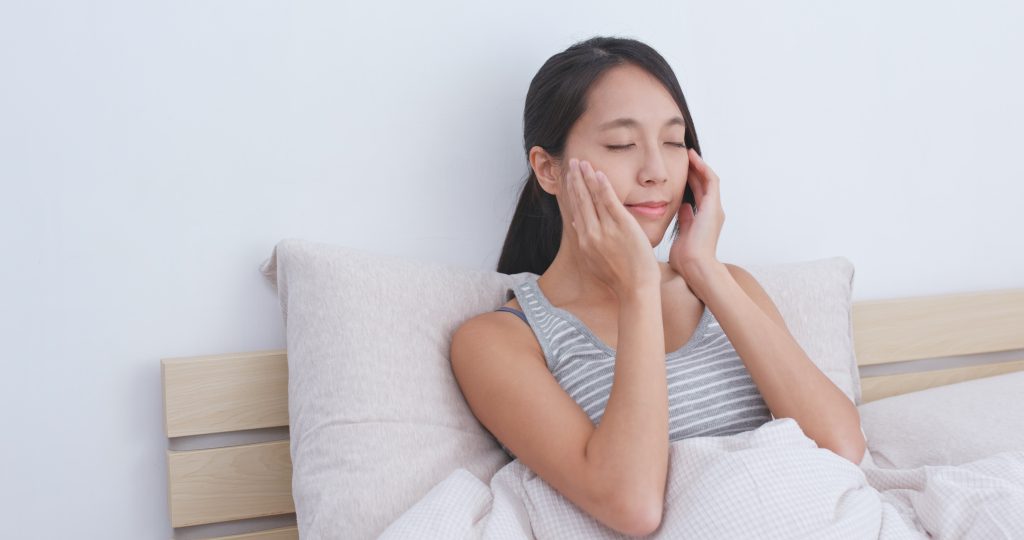
Grinding or clenching your teeth during sleep, medically known as sleep bruxism, is far from rare. It can manifest as audible grinding noises, jaw tension, morning soreness, tooth wear, headaches or even disturbed sleep. Many people only become aware of it when a partner hears the grinding or when dental wear becomes evident.
Obstructive sleep apnoea (OSA) is a common but potentially serious condition characterised by interrupted breathing during sleep. Traditionally, testing required an overnight stay in a sleep clinic—but modern technology has enabled home-based solutions that are more practical and cost-effective.
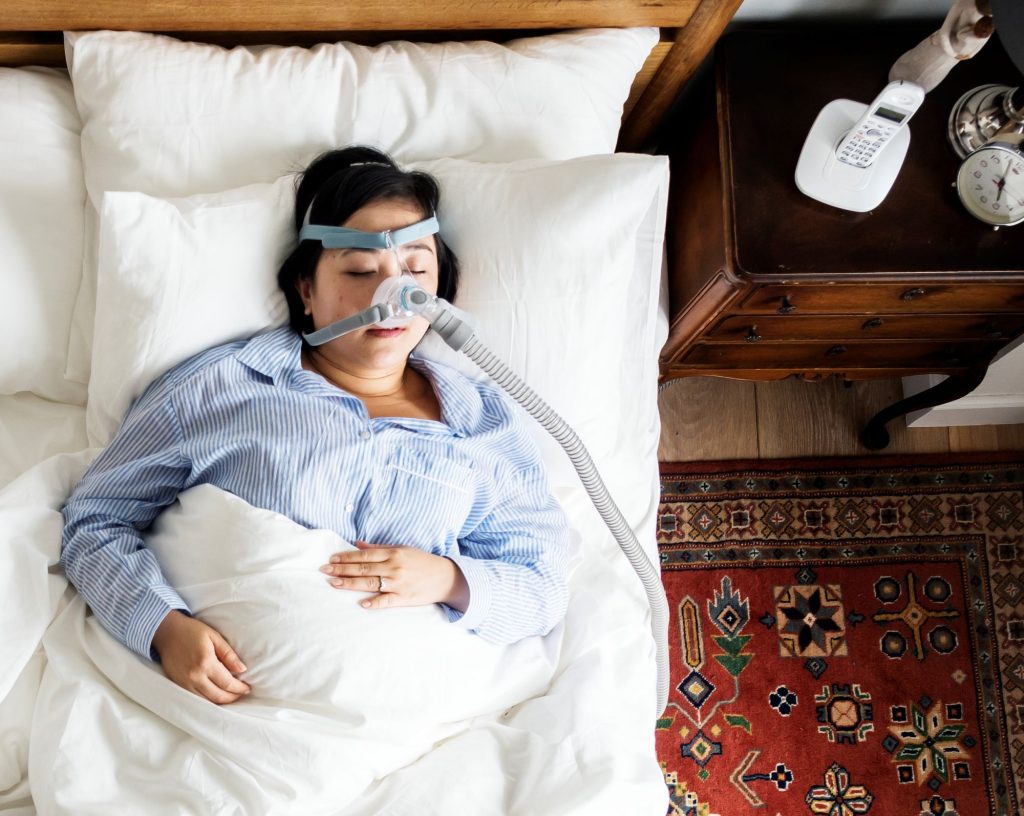
One of the most commonly recommended devices is the CPAP machine, yet it’s important to understand precisely what it is and how it works, especially in comparison to alternative solutions like mandibular advancement splints.

One question we hear frequently is: “Is sleep apnoea genetic?” The answer is nuanced: yes, genetic and familial factors can increase the risk of developing OSA, but genes are only part of a much broader picture.

Waking up with a throbbing head isn’t just an unfortunate start to the day—it may be a crucial clue pointing to something far more disruptive: sleep apnoea. Known for its hallmark symptoms of loud snoring and interrupted breathing, obstructive sleep apnoea (OSA) also has a less obvious, but highly impactful consequence—headaches.
Sleep apnoea is a condition that often goes unnoticed for years, silently disrupting sleep and health. As one of the most common sleep disorders, particularly obstructive sleep apnoea (OSA).